
Do you have a pile of old clothes taking up space in your wardrobe? Instead of throwing them away or letting them collect dust, why not give them a second life with upcycling? Upcycling is a sustainable and budget-friendly way to revamp your wardrobe while reducing waste.
What’s that you say, don’t know how or where to start? Don’t worry with help from Semsah, you can learn how to REVIVE, RESTORE, REDEEM, RENEW and RE-USE old clothes
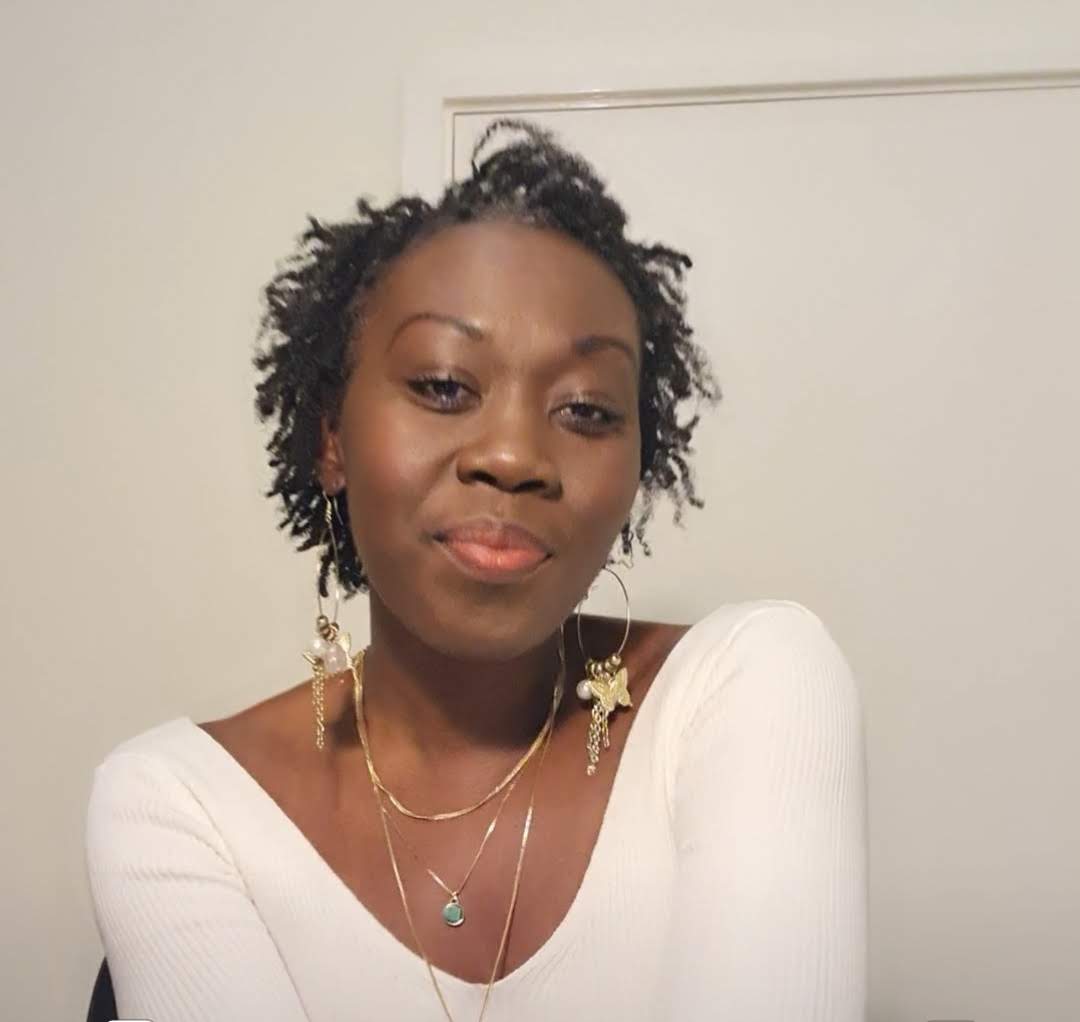
Semsah provides beginners with sewing tutorials, from mending, upcycling to making your own garments from old clothes. Founded by Sussana Mensah a fashion garment technologist, Semsah supports its sewing community through video, workshops and 1-2-1 coaching, guiding you through the process of becoming an expert
Joining Semsah is a good entry point for beginner sewists or those interested in learning how to sew, want to learn pattern making and want to make use of their old garments. If you want to learn how to upcycle your old clothes then join Semsah now and start your journey to sustainable fashion
Checkout the Semsah fashion on You Tube
For workshops or other services click HERE
Click HERE to subscribe to the monthly newsletter and HERE to support Black Business Blog
You might be wondering, “Why should I care about upcycling old clothes?” Well, here are the benefits:
Reducing Waste:Upcycling clothes helps reduce the amount of clothing waste that ends up in landfills. According to a report by the Waste and Resources Action Programme (WRAP), around 350,000 tonnes of used clothing goes to landfill in the UK each year. This is equivalent to over 1 billion items of clothing, or 19 items per person.
In America, according to the Environmental Protection Agency (EPA), Americans throw away over 10 million tons of clothing every year. By upcycling old clothes, we can reduce this waste and give our clothes a second life.
Saving money: Buying new clothes can be expensive, but upcycling old clothes is a budget-friendly alternative. With a little creativity and some basic sewing skills, you can turn your old clothes into stylish and unique new pieces, without spending a lot of money. Every little helps,especially at a time like this, where everyone’s cost of living has gone up.
Expressing creativity: Upcycling clothes allows you to express your creativity and personal style. By choosing your own fabrics, colours, and designs, you can create one-of-a-kind pieces that reflect your individual taste.
Improving sustainability: By upcycling clothes, we can reduce the environmental impact of the fashion industry. Producing new clothes requires a lot of resources, including water, energy, and raw materials. Upcycling helps reduce this demand and promotes a more sustainable approach to fashion.
Supporting local businesses like Semsah: Many upcycling businesses and independent designers focus on creating unique and sustainable fashion pieces. By supporting these businesses, we can help promote local economies and support sustainable and ethical fashion practices
Similar stories that you might find interested in:
Vegan Skin Care Products Made with You in Mind
Conscious Skin Care: Meet the Founders of Earth to Earth Organics
So now that you know the benefits, let’s get to know Susanna Mensah, the founder of Semsah and her motivation behind starting it.
What is your background and why did you start this business
I have worked in the fashion industry for over 10 years as a fashion garment technologist. I work with buyers and designers to ensure brand vision and quality are maintained throughout the supply chain. This role has taught me that every garment has a story, a person that brings to life what is often disregarded and undervalued.
I created Semsah, as a platform to add value and appreciation for craftsmanship, through Revive – repair, Restore -revamp, Redeem – upcycle, Renew -dressmaking and everything else to prevent clothing going into landfills.
Where does your passion and drive for this business stem from?
In 2012 I visited my family home in Ghana and saw the sheer volume of second hand clothing, which made me question where it all came from and where it all goes, when not sold. This was answered in 2014 by BBC documentary “This World 2014 The Secret Life of Your Clothes”. The documentary highlighted how clothes from charities end up in landfill sites in places like Ghana, when not sold. This impacts the local textile industry.
This really opened my eyes and realised that as a consumer and worker in the fashion industry, I can’t just sit back and do nothing.
Are there any innovations in the fashion industry that would help to reduce waste?
3D FASHION – I am currently working on a 3D pattern cutting system that can help reduce the amount of sampling we get through in the business and ensure customers get better fit when they purchase garments. In addition, you can buy the 3D designs as part of your wardrobe and have virtual garments.
MADE TO MEASURE – There are companies that allow you to customise your design and make it to measure your size.
RECYCLE FABRICS – H&M has announced that they will build a recycle machine to take back old garments and break down the textile to create new fabrics.
CIRCULAR FASHION – This is a system where our clothing and personal belongings are produced through a more considered model: where the production of an item and the end of its life are equally as important. This system considers materials and production thoughtfully, emphasising the value of utilising a product right to the end, then going one step further and re-purposing it into something else. The focus is on the longevity and life cycle of our possessions, including designing out waste and pollution. Essentially, the “circular” comes as a response to previous economic and societal models that have been “linear” to date, and harmful on the planet along the way.
What are your future plans for the business?
Building my network of like minded people within my industry to join the mission and create a bigger impact of positive change. I also want to create more tutorials for beginner sewists and continue to provide the support they need to get started.
If you enjoyed this post then click HERE to subscribe to the monthly newsletter and HERE to support Black Business Blog



 Black Business Blog